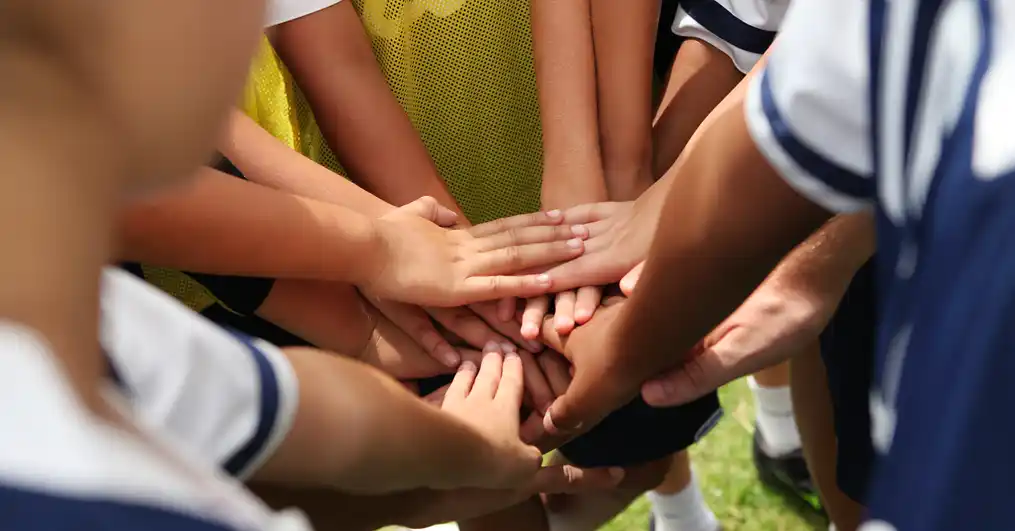
Many parents wonder if their child will still be able to enjoy team sports after ostomy surgery. Questions about contact during games, leaks, uniforms, locker rooms, and protecting the stoma are completely normal. The thought of your child getting bumped during soccer practice or feeling different around teammates can feel overwhelming at first.
The good news is that many children with ostomies are able to return to team sports after healing and recovery. With the right preparation, support, and medical guidance, many families find their child can safely participate and enjoy the same experiences as their teammates.
Before returning to sports, it is important to speak with your child’s healthcare provider. Every child’s situation is different, and your child’s medical team can help determine when it is safe to return to activity and whether any restrictions or protective measures may help.If you are looking for a broader list of activities, be sure to also read our guide on “Best Sports for Kids with Ostomies,” where we cover both individual and team activities for active children. This article focuses specifically on helping parents navigate team sports safely and confidently.
Can Kids with Ostomies Play Team Sports?
In many cases, yes. According to the American Cancer Society, many people with ostomies are able to return to sports and physical activity after proper healing and recovery. (cancer.org)
The biggest factor is timing. Children need adequate healing time after surgery, and families should always follow their healthcare provider’s recommendations before returning to physical activity. For some children, this may mean easing back into sports gradually while rebuilding comfort and confidence.
For many families, the biggest challenge is not whether their child can play sports—but feeling prepared for the return to team activities.
Common Parent Concerns About Team Sports and Ostomies
Parents often worry about:
- The ostomy pouch being visible under uniforms
- Accidental hits to the stoma during games
- Leaks during practices or competitions
- Bathroom access during sporting events
- Other children asking questions
- Whether coaches should know about the ostomy
These concerns are common, especially in the beginning. The good news is that many of them become easier to manage with planning, practice, and routines that work for your child.
For example, supportive clothing can help keep pouches secure under uniforms, extra supplies can make unexpected situations less stressful, and simple conversations with coaches can help children feel more supported during practices and games.
Preparing for Team Sports with an Ostomy
One of the most helpful things parents can do is prepare ahead of time.
Before games or practices, many families find it helpful to:
- Empty the ostomy pouch before activity
- Avoid starting activity with an overly full pouch
- Pack extra supplies in a sports bag
- Test uniforms and athletic clothing at home first
- Identify nearby bathrooms ahead of time
Some children may also benefit from supportive products during activity, depending on their healthcare provider’s recommendations. Options may include ostomy wraps, support belts, moisture-wicking athletic clothing, or protective devices for sports with higher contact.
Because every child’s ostomy and activity level are different, parents should speak with their child’s medical team before using support garments or protective equipment during sports.
The United Ostomy Associations of America notes that supportive garments and protective products may help improve comfort and confidence during physical activity. (ostomy.org)
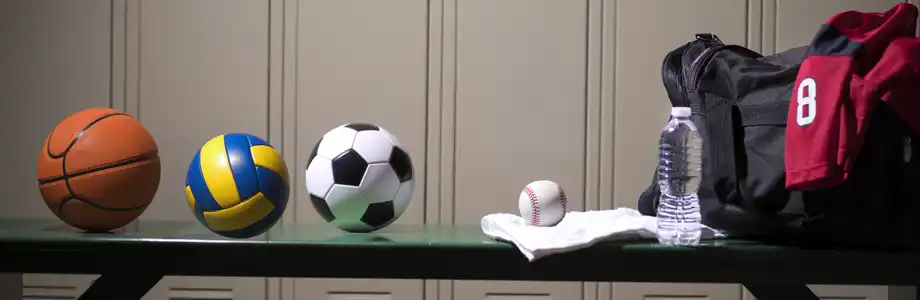
Team Sports That May Feel Easier to Start With
For families easing back into sports, some team activities may feel like a more comfortable starting point.
Baseball and Softball
Baseball and softball often involve less direct physical contact than many other team sports, which can make them feel more manageable for some families.
These sports still provide important benefits like teamwork, confidence-building, social interaction, and physical activity. Some children also find that uniforms and movement patterns make it easier to feel comfortable while adjusting to sports again.
Volleyball
Volleyball is another team sport some families feel comfortable trying because it generally involves less abdominal contact while still encouraging movement, teamwork, and social participation.
For children rebuilding confidence after surgery, volleyball may offer a way to stay active without frequent collisions or physical contact.
Track Relay Teams
Relay races and team-based track activities can allow children to enjoy the experience of team sports while reducing concerns about physical contact.
Track activities may also help children rebuild endurance and confidence over time, especially when returning to activity after surgery.
Before starting any sport, families should check with their child’s healthcare provider to make sure the activity fits their child’s recovery and medical needs.
Sports with More Contact May Require Extra Planning
Some children with ostomies also participate in sports with more movement or physical contact, but these activities will likely require additional planning and medical guidance.
Soccer
Soccer is one of the most common sports parents ask about after ostomy surgery. While the sport can involve falls, movement, and occasional contact, some children successfully participate with preparation and support.
Depending on their healthcare provider’s recommendations, families may consider supportive wraps, secure pouching systems, or protective products designed for activity. Parents may also find it helpful to speak with coaches about quick bathroom breaks or any signs their child may need additional support during practices.
Basketball
Basketball involves jumping, twisting, and body movement that may make parents nervous at first. However, many ostomy patients continue participating in basketball and similar activities after healing and preparation. (Hollister.com)
Because every child’s comfort level and medical situation are different, families should speak with their child’s doctor before returning to higher-movement sports.
Football and Wrestling
Higher-contact sports like football and wrestling may require additional medical guidance because of increased risk of abdominal impact.
Some athletes with ostomies continue participating in contact sports using specialized protective products, but these decisions should always involve your child’s healthcare provider. Families should discuss potential risks, protective options, and activity restrictions before returning to these sports.
Should Coaches Know About Your Child’s Ostomy?
In short, yes. Many families choose to privately inform trusted adults, such as:
- Coaches
- Athletic trainers
- School nurses
Having support in place can make sports feel less stressful for both parents and children. It may also help if your child needs a bathroom break, quick access to supplies, or support during an unexpected leak.
As children get older, you may consider involving them in the decision of what to share to help build confidence and independence.
Helping Prevent Leaks During Games and Practices
Leaks are one of the biggest concerns parents have when returning to sports after ostomy surgery.
While accidents can happen, simple routines may help reduce stress and improve confidence
- Empty the pouch before activity
- Consider fresh barriers before long tournaments or game days if recommended by your child’s care team
- Wear clothing that helps keep the pouch secure and comfortable
- Pack backup supplies just in case
- Stay hydrated during activity
Over time, many children develop routines that make sports participation feel more normal again.
Helping Kids Feel Confident in Team Sports
Children with ostomies sometimes worry about feeling different, changing clothes around teammates, or answering questions about their pouch.
Parents can help by encouraging open conversations and helping children practice simple responses if questions come up. Some children prefer privacy, while others feel more comfortable explaining their ostomy in simple terms. Encourage your child to feel confident in themselves and not let worries about feeling different take over. If they feel nervous about standing out or worry about what others may think, practicing simple responses or social situations ahead of time can help build confidence.
The American Academy of Pediatrics emphasizes that youth sports should support enjoyment, development, inclusion, and self-esteem. (publications.aap.org) For many children, simply participating alongside teammates can be an important confidence-building experience.
Supporting Your Child’s Return to Team Sports
Returning to team sports after ostomy surgery can feel intimidating at first—for both children and parents. But with preparation, communication, and guidance from your child’s healthcare provider, many children with ostomies are able to safely participate in activities they enjoy.
Every child’s journey will look different, and progress may take time. But having an ostomy does not automatically mean giving up an active childhood