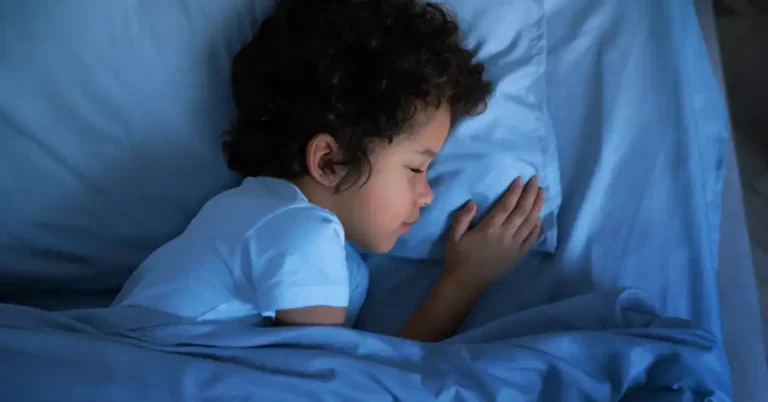

If your child is still wetting the bed, you’re not alone and you’re not doing anything wrong.
Bedwetting (also called nocturnal enuresis) is very common in childhood, especially during the early years. While many children naturally stay dry after potty training, millions continue experiencing nighttime accidents for years afterward.
It’s completely normal to wonder:
Why is this still happening?
Should I be concerned?
The truth is that bedwetting usually does not happen for just one reason. In many cases, it is connected to how a child’s body is developing, how deeply they sleep, family history, or other physical factors.
Understanding the possible causes can help take away some of the uncertainty and make it easier to know when to be patient and when it may be time to ask questions.
How Common Is Bedwetting in Children?
Before diving into the causes, it helps to know that bedwetting is much more common than many parents realize.
Around 20% of 5-year-olds still wet the bed, and about 1 in 10 children around age 7 continue experiencing nighttime accidents. For many children, bedwetting improves naturally as their body develops.
In most cases, bedwetting is not a behavioral issue or something a child chooses. More often, it reflects how their body is maturing
What Causes Bedwetting in Children?
There is rarely one single cause of bedwetting. Instead, nighttime accidents often happen because a child’s body is still learning how to:
- produce less urine at night
- recognize when the bladder is full
- wake up in time to use the bathroom
Below are 8 of the most common reasons children continue wetting the bed.
1. Bladder Development Is Still Maturing
For some children, nighttime bladder control simply takes longer to develop.
Their bladder may still be growing, or the communication between the brain and bladder may not fully wake them when it is time to go. Even if they are potty trained during the day, nighttime dryness often develops on a different timeline.
2. Deep Sleep and Difficulty Waking Up
Many parents say:
“My child sleeps through everything.”
Sometimes, that is part of the reason bedwetting continues.
Children who sleep very deeply may not wake up when their bladder becomes full. Instead of waking to use the bathroom, they sleep through the signal and an accident happens.
This is especially common in younger children and often improves as the body matures
3. Genetics (It Often Runs in Families)
Bedwetting often runs in families.
If one or both parents wet the bed as children, there is a higher chance their child will experience it too. Many parents are surprised to learn there may be a family connection.
While genetics do not guarantee bedwetting, they can help explain why some children take longer to stay dry at night.
4. Smaller Bladder Capacity
Some children simply have a bladder that can’t hold as much overnight yet.
This does not mean something is wrong. It often means their body is still developing and may need more time before staying dry consistently through the night..
5. Hormone Levels at Night
Your body naturally produces a hormone called antidiuretic hormone (ADH) that slows urine production while you sleep.
Some children do not produce enough of this hormone overnight yet. As a result, their body may make more urine than their bladder can comfortably hold during the night.
Like many causes of bedwetting, this often improves with time and development
6. Constipation (A Hidden Cause Many Parents Miss)
Constipation can sometimes contribute to bedwetting, even when it does not seem connected.
When the bowels are full, they can place extra pressure on the bladder and affect how well it works during sleep. Because of this, some children experience fewer nighttime accidents once constipation improves.
If constipation is a regular struggle, it may be worth discussing with your child’s healthcare provider
7. Stress or Emotional Changes
Big life changes can affect a child more than we sometimes realize.
Events like:
- starting a new school
- moving
- a new sibling
- changes in routine or family stress
can sometimes trigger bedwetting or make it worse—especially if a child had already been staying dry.
Stress alone usually does not cause bedwetting, but it can contribute to setbacks during times of change.
8. Underlying Medical Conditions (Less Common)
In some cases, bedwetting may be connected to an underlying medical condition.
Less common causes can include:
- urinary tract infections (UTIs)
- sleep apnea
- diabetes
- bladder or neurological conditions
These situations are less common but may be worth discussing with your child’s doctor if other symptoms are present.
When Should Parents Be Concerned?
Most bedwetting is part of normal development. However, there are times when it is a good idea to speak with your child’s healthcare provider.
Consider reaching out if your child:
- suddenly starts wetting the bed again after staying dry
- has daytime accidents
- experiences pain while urinating
- Seems unusually thirsty or tired
- struggles with constipation or sleep issues
These signs do not automatically mean something serious is happening, but they may signal that additional support or evaluation would help.
What Parents Can Do to Help
While your child’s body continues to develop, there are practical ways to support progress and reduce frustration for everyone involved.
Helpful strategies may include:
- Keeping a consistent bedtime routine
- Encourage bathroom use before bed
- Watching for patterns or triggers
- Limiting drinks right before bedtime if recommended by your child’s healthcare provider
- Addressing constipation if it is present
- Focusing on encouragement rather than punishment
Most important:
Remind your child that bedwetting is not their fault. Most children cannot fully control it yet, and reassurance can go a long way in helping them feel supported.
One way to make things easier on yourself—which in turn helps your child—is to keep nighttime cleanup as simple as possible. The less stressful bedtime accidents feel, the easier it becomes to stay calm and move forward together.
Supporting Your Child’s Confidence
For many kids, the hardest part of bedwetting isn’t the accident, it’s how it makes them feel.
Children may experience:
- embarrassment
- frustration
- anxiety about sleepovers, camps, or school trips
Your response matters more than anything.
Your response matters more than anything.
A calm, supportive approach helps children feel safe, understood, and confident while their body continues to develop. Encouraging progress without shame or punishment can make a meaningful difference over time.
If you are looking for additional strategies, be sure to read our Bedwetting Solutions for Parents guide for more practical tips on managing nighttime accidents at home.
How S2 Medical Can Help
While your child’s body is still developing, having the right support at home can make a big difference.
Many families choose to use:
- overnight protective underwear
- absorbent underpads
- skin-friendly wipes
These supplies can help protect bedding, simplify cleanup, reduce stress, and help children sleep more comfortably.
Many pediatric incontinence supplies may also be covered by Medicaid and delivered directly to your home. If you would like to see whether your child qualifies, the S2 Medical team can help walk you through eligibility and monthly supply options.
You’re Not Alone in This
Bedwetting can feel frustrating at times, but it is something many families experience.
For most children, nighttime accidents improve with time as the body develops. Along the way, patience, reassurance, and the right support can help make the process less stressful for both you and your child.
Progress may not happen rapidly, but your child is not falling behind, and you are not alone.
Contact us today to learn whether your child qualifies for covered incontinence supplies and how to get started.
Do not use this article to replace your doctors advice. Be sure to consult medical professionals for full diagnosis and treatment.